Table of Contents
- Why OnlyFans Bans Certain Words
- Words That Can Get Your Account Flagged
- Payment Processor Restrictions
- How to Talk About Services Without Getting Banned
- Safe Alternatives and Workarounds
- Words to Avoid in DMs vs Feed Posts
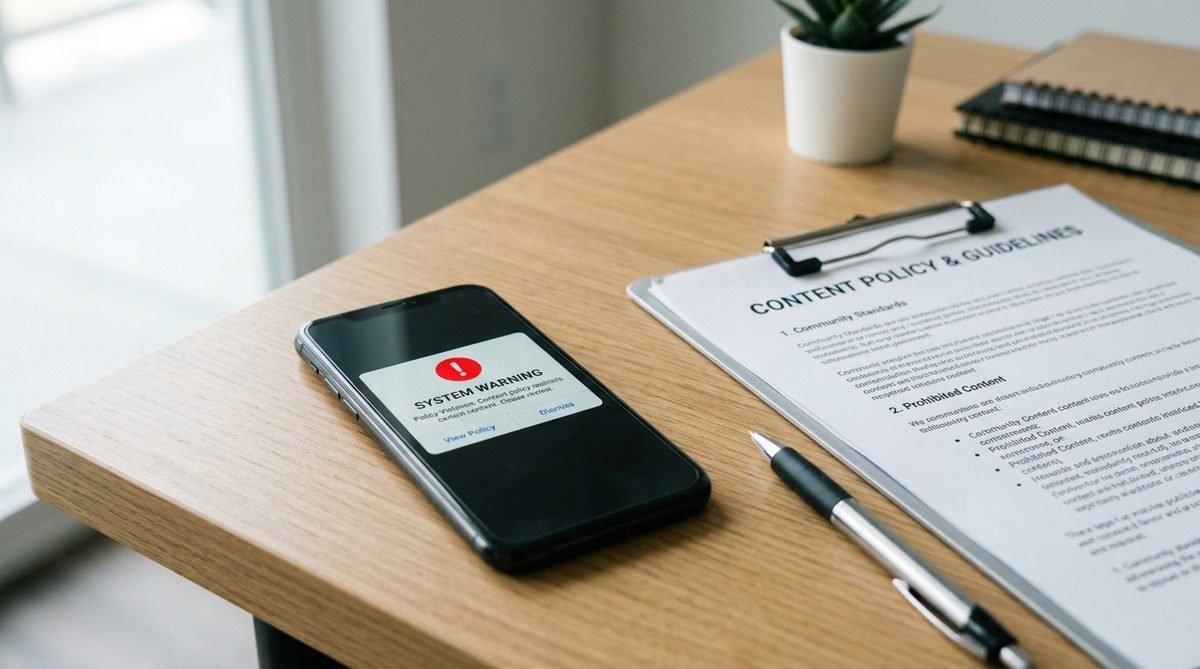
- What Happens If You Use Banned Words
- How to Appeal a Content Violation
- Staying Compliant While Maximizing Revenue
Every OnlyFans creator eventually runs into the same frustrating experience: a post gets removed, a message fails to send, or an account receives a warning seemingly out of nowhere. In most cases, the cause is a single word or phrase that triggered the platform's automated content moderation system. Understanding which words are banned on OnlyFans is not optional for creators who want to build a sustainable income. It is a core business skill.
OnlyFans has tightened its content policies significantly over the past two years, and the list of restricted language continues to grow. Whether you are a new creator just setting up your account or an experienced one earning five figures per month, knowing what you can and cannot say on the platform protects your income and your reputation. This guide covers every category of banned and restricted words on OnlyFans in 2026, along with practical alternatives that keep your content compliant without sacrificing engagement.
Why OnlyFans Bans Certain Words
OnlyFans does not restrict language arbitrarily. The platform operates under strict legal and financial obligations that dictate what content and communication it can host. Understanding the reasons behind word bans helps creators see the logic in the system and avoid violations more intuitively.
The first major driver is legal compliance. OnlyFans must adhere to laws in every jurisdiction where it operates, including regulations around trafficking, exploitation, and the protection of minors. Any language that could suggest illegal activity, even when used casually or sarcastically, triggers automated flags. The platform takes a zero-tolerance approach to these categories because the legal consequences for non-compliance are severe for both the company and the creator.
The second driver is payment processor requirements. Visa, Mastercard, and other payment networks impose strict content policies on any platform that processes their transactions. These policies go well beyond what the law requires and include restrictions on specific types of content descriptions, service offerings, and transactional language. If OnlyFans fails to enforce these rules, it risks losing the ability to process payments entirely, which would shut down the business.
The third factor is brand safety. OnlyFans has invested heavily in positioning itself as a legitimate creator platform, not just an adult content site. Restricting certain categories of language helps the platform maintain relationships with advertisers, media outlets, and potential business partners. Creators who understand this broader context are better equipped to communicate effectively within the platform's boundaries.
Words That Can Get Your Account Flagged
The list of OnlyFans banned words falls into several distinct categories, each with different levels of enforcement severity. Some words trigger an immediate post removal or account suspension, while others result in a warning or reduced visibility. Here is a breakdown by category.
Age-related language. Any word or phrase that references minors, youth, or underage individuals in a sexual or suggestive context is an immediate ban trigger. This includes seemingly innocent words when used in certain combinations. Terms like "young," "teen," "barely legal," "schoolgirl," "juvenile," or "underage" will flag your content regardless of context. Even role-play scenarios that imply age-related dynamics are prohibited. This is the strictest category, and violations can result in permanent account termination without appeal.
Non-consent language. Words that suggest coercion, force, or lack of consent are heavily monitored. This includes terms associated with non-consensual scenarios, even in fictional or role-play contexts. Words like "force," "make them," "no choice," "against their will," and similar phrases will trigger moderation regardless of the surrounding context. OnlyFans scans for these terms in captions, messages, bios, and even file names.
Substance-related terms. References to illegal drugs, intoxication in a sexual context, or substance use that impairs consent are restricted. Words referencing specific illegal substances, terms describing drug-influenced states, or language combining intoxication with sexual content will get flagged. This extends to alcohol references when paired with suggestive content in certain combinations.
Extreme content descriptors. Language describing extreme or violent acts, bodily harm, or degradation beyond what the platform permits is restricted. Even creators whose content does not actually depict these acts can face penalties for using the associated language in descriptions, titles, or messages. The moderation system flags the language itself, not just the accompanying media.
Transactional and solicitation terms. Words that frame the creator-subscriber relationship as a direct transaction for specific acts are banned. Language that implies prostitution, escorting, or pay-for-play arrangements violates both platform policy and payment processor rules. This includes phrases that suggest meeting in person for paid encounters or offering specific acts in exchange for specific payment amounts.
Stay Compliant With Professional Management
JP Management's compliance team monitors every message and post for restricted language before it goes live. Our managed creators never worry about accidental violations or account flags. Let us protect your income while you focus on creating content.
Payment Processor Restrictions
Payment processors like Visa and Mastercard impose their own set of content and language restrictions that go beyond what OnlyFans itself might otherwise allow. These restrictions are non-negotiable because losing payment processing capability would be catastrophic for the platform.
In 2024 and 2025, major card networks updated their policies for adult content platforms, requiring stricter monitoring of transactional language, content descriptions, and creator-subscriber communications. These updates mean that certain words and phrases that were previously tolerated are now flagged automatically.
Payment processor restrictions primarily target language that frames content as a direct service transaction. Phrases that combine payment terminology with specific acts, descriptions that imply guaranteed physical encounters, and language that blurs the line between content creation and personal services all fall under this category. The key distinction processors care about is whether the language describes a subscription for content access or a payment for a specific personal service.
Creators should also be aware that payment processors require platforms to maintain records of content descriptions and communications. This means that even deleted messages or edited posts may be reviewed during compliance audits. Using restricted language in any communication on the platform creates a permanent record that could affect your account status months later.
The practical impact for creators is straightforward: always describe your offerings in terms of content, media, and creative work rather than personal services or specific acts. This framing is not just semantically safer but also more accurately describes what OnlyFans actually is: a platform for distributing digital content to paying subscribers.
How to Talk About Services Without Getting Banned
The challenge most creators face is not understanding that certain words are banned but figuring out how to communicate effectively without them. Your ability to describe your content, engage with subscribers, and promote your page depends on using language that is both compelling and compliant.
The most important mindset shift is moving from transactional language to experiential language. Instead of describing what you will do for a subscriber, describe what the subscriber will experience. Instead of listing specific acts, describe moods, themes, aesthetics, and emotional tones. This approach is not only safer from a compliance standpoint but often more effective at driving engagement because it creates anticipation rather than setting rigid expectations.
When promoting pay-per-view content, focus on describing the production quality, the setting, the mood, and the exclusivity rather than detailing specific content. Phrases like "exclusive behind-the-scenes content," "premium photo set," "personal and intimate," and "limited availability" convey value without triggering word filters. Let the preview thumbnail do the work of showing what the content contains while your caption focuses on why the subscriber should unlock it.
For direct messages, the same principle applies. Engage with subscribers as fans and supporters rather than clients purchasing a service. Ask about their preferences in terms of content types, styles, and themes rather than specific acts. This builds a stronger parasocial relationship while keeping every message compliant with platform rules.
If you are working with a management team like JP Management's crisis and compliance division, your messages and captions will be reviewed for restricted language before they are sent. This layer of protection is especially valuable for high-earning creators whose accounts represent significant income at risk.
Safe Alternatives and Workarounds
Experienced creators develop a vocabulary of compliant alternatives that convey the same message without triggering moderation filters. Here are practical substitution strategies organized by common communication scenarios.
Describing exclusive content. Instead of explicit descriptions, use terms like "uncensored," "unfiltered," "raw," "exclusive drop," "vault content," "private collection," or "premium set." These words signal that the content is special and worth paying for without specifying what it depicts. Pair them with strong visual previews to let the media speak for itself.
Engaging in DMs. Replace direct or explicit language with suggestive and playful alternatives. Words like "adventurous," "daring," "naughty," "spicy," "steamy," and "risque" convey tone without crossing compliance lines. Frame conversations around what your subscriber enjoys seeing rather than what you will do. Ask questions like "what kind of content gets you excited?" rather than making specific promises.
Promoting PPV messages. Focus on scarcity, exclusivity, and production value. Phrases like "just filmed something special," "only sending this to my top fans," "new content you have not seen anywhere else," and "limited drop" create urgency and perceived value. Avoid describing the specific content in the PPV caption. Let the locked preview image do that work.
Bio and profile descriptions. Your bio is scanned by moderation systems and is also publicly visible in some contexts. Use aspirational and brand-focused language rather than explicit descriptions. Describe your content niche, posting frequency, and the experience subscribers can expect. Good bio phrases include "daily exclusive content," "interactive and personal," "behind the scenes of my life," and "content you will not find on my other platforms."
Tip menu descriptions. If you use a tip menu, describe offerings in terms of content types rather than acts. Use categories like "custom photo set," "personalized video," "voice note," "extended chat session," or "behind-the-scenes content." Each item should clearly be a content product rather than a personal service.
Words to Avoid in DMs vs Feed Posts
OnlyFans applies different levels of scrutiny to different areas of the platform, and understanding these differences helps creators communicate more effectively. Feed posts, stories, DMs, and bio content are all monitored, but the sensitivity thresholds vary.
Feed posts and stories receive the highest level of automated scrutiny because they are the most visible content on the platform. Every word in a feed post caption is scanned against the restricted word list, and violations here carry the harshest penalties. Feed content also appears in search results and discovery features, which means it must meet the strictest compliance standards. Stick to the safest language in your feed posts and let your media do the talking.
Direct messages are also monitored, but the context window is broader. The moderation system evaluates DM content in the context of the full conversation, which means that certain words that would be flagged in isolation might pass in a conversational context. However, this does not mean DMs are a safe zone. Repeated use of restricted language in messages, even in context, can trigger a manual review of your account. The key categories that are strictly enforced in DMs are age-related language, non-consent references, and transactional solicitation.
Bio and profile content is scanned with particular attention because it serves as the public face of your account. Words in your bio are weighted more heavily by the moderation system because they represent your brand on the platform. A restricted word in your bio is more likely to trigger an immediate flag than the same word in a DM conversation. Keep your bio clean, professional, and focused on content types and posting frequency rather than explicit descriptions.
Custom content request messages are a high-risk area that many creators overlook. When subscribers request custom content, they often use language that would violate platform rules. As a creator, your responses to these requests must use compliant language even when the subscriber's message does not. Never mirror restricted language back to a subscriber, and redirect conversations toward compliant descriptions of what you can create.
What Happens If You Use Banned Words
The consequences of using banned words on OnlyFans range from minor inconveniences to permanent career setbacks, depending on the severity of the violation and your account history. Understanding the escalation ladder helps you appreciate why compliance matters.
Content removal. The mildest consequence is the removal of a specific post, message, or story that contains restricted language. You will typically receive a notification explaining which content was removed and why. While this may seem minor, each removal is logged on your account and contributes to your overall compliance score.
Account warnings. After one or more content removals, you may receive a formal account warning. Warnings are documented on your profile and visible to the compliance team during any future reviews. Accumulating warnings puts your account on a watchlist, which means your content will be subject to more frequent and stringent automated and manual reviews.
Temporary suspension. Repeated violations or a single severe violation can result in a temporary account suspension. During a suspension, you cannot post, send messages, or receive payments. Your subscribers remain active but cannot access new content. Suspensions typically last 24 to 72 hours but can extend to 30 days for serious violations. The financial impact of even a short suspension can be significant, especially if it occurs during a promotional campaign or high-traffic period.
Permanent ban. The most severe consequence is permanent account termination. This results in the loss of your subscriber base, content library, and all pending earnings. Permanent bans are typically reserved for violations involving age-related content, repeated severe violations after warnings, or patterns of behavior that suggest deliberate policy circumvention. Permanent bans are extremely difficult to overturn and may prevent you from creating a new account on the platform.
Beyond platform-specific consequences, content violations can have broader impacts on your career as a creator. Payment processors may flag your identity, making it difficult to use other creator platforms. Compliance records may be shared between platforms as part of industry-wide safety initiatives. Protecting your account status on OnlyFans is protecting your entire livelihood as a digital content creator.
How to Appeal a Content Violation
If your content is removed or your account is flagged for a word violation that you believe was triggered in error, OnlyFans does provide an appeal process. Knowing how to navigate it effectively can mean the difference between a quick resolution and a prolonged disruption to your business.
Act immediately. Appeals have time limits, and the sooner you submit one, the faster it will be reviewed. Do not wait days to respond to a violation notice. Log into your account, review the specific content that was flagged, and begin your appeal the same day.
Document everything. Before submitting your appeal, screenshot the violation notice, the flagged content (if still accessible), and any relevant context that supports your case. If the flagged word was used in a clearly non-violating context, provide that context explicitly in your appeal. The compliance team reviewing your case may not see the full conversation or post thread unless you include it.
Be specific and professional. Your appeal should clearly state which content was flagged, explain the context in which the restricted word was used, and describe why you believe the flag was an error. Avoid emotional language, accusations of unfairness, or threats. The compliance team responds best to calm, factual appeals that demonstrate your understanding of platform rules and your commitment to following them.
Propose a correction. If the flagged content could be edited to comply with platform rules, offer to make the correction rather than simply requesting that the flag be removed. This shows the compliance team that you are proactive about maintaining your account in good standing and reduces the likelihood of future violations.
Creators who work with professional management services like JP Management's chatting team rarely need to navigate the appeal process because compliance issues are caught before content is posted. However, knowing the process gives you confidence and control over your account status in any situation.
Staying Compliant While Maximizing Revenue
The ultimate goal for every OnlyFans creator is to build a thriving business that generates consistent revenue without ever risking an account violation. This requires integrating compliance awareness into every aspect of your content strategy, from the words you use in captions to the way you structure your pricing and promotions.
Start by creating a personal reference list of words and phrases you know are safe. Review it before writing any caption, bio update, or DM response. Over time, compliant language will become second nature, but having a reference document accelerates that process. Update your list whenever you encounter a new flagged word or learn about a policy change.
Invest in understanding the difference between descriptive and suggestive language. Descriptive language tells the subscriber exactly what they will see, which often requires restricted words. Suggestive language implies what they will see without stating it directly, which is almost always compliant. Mastering suggestive communication is a skill that not only keeps you safe but also improves your conversion rates because it creates curiosity and anticipation.
Use your preview images and short video clips to communicate content details visually rather than verbally. A well-chosen preview image paired with a compliant caption achieves the same conversion rate as an explicit description while carrying zero compliance risk. This visual-first approach to content marketing is increasingly the standard among top-earning creators on the platform.
Finally, consider the long-term value of a clean account history. Creators with zero violations are favored by the platform's discovery algorithm, receive priority support when they do have issues, and build stronger relationships with subscribers who trust that their favorite creator's page will always be available. Compliance is not a limitation on your business. It is a competitive advantage that compounds over time.
If managing compliance feels overwhelming alongside content creation, promotion, and subscriber engagement, professional management is the most reliable solution. A dedicated team ensures that every word on your page meets platform standards while you focus on what you do best: creating content that your fans love.
Protect Your Account With JP Management
Our compliance experts review every post, message, and bio update before it goes live. JP Management creators earn more because they never lose income to preventable account suspensions. Join the agency that keeps your page safe and your revenue growing.